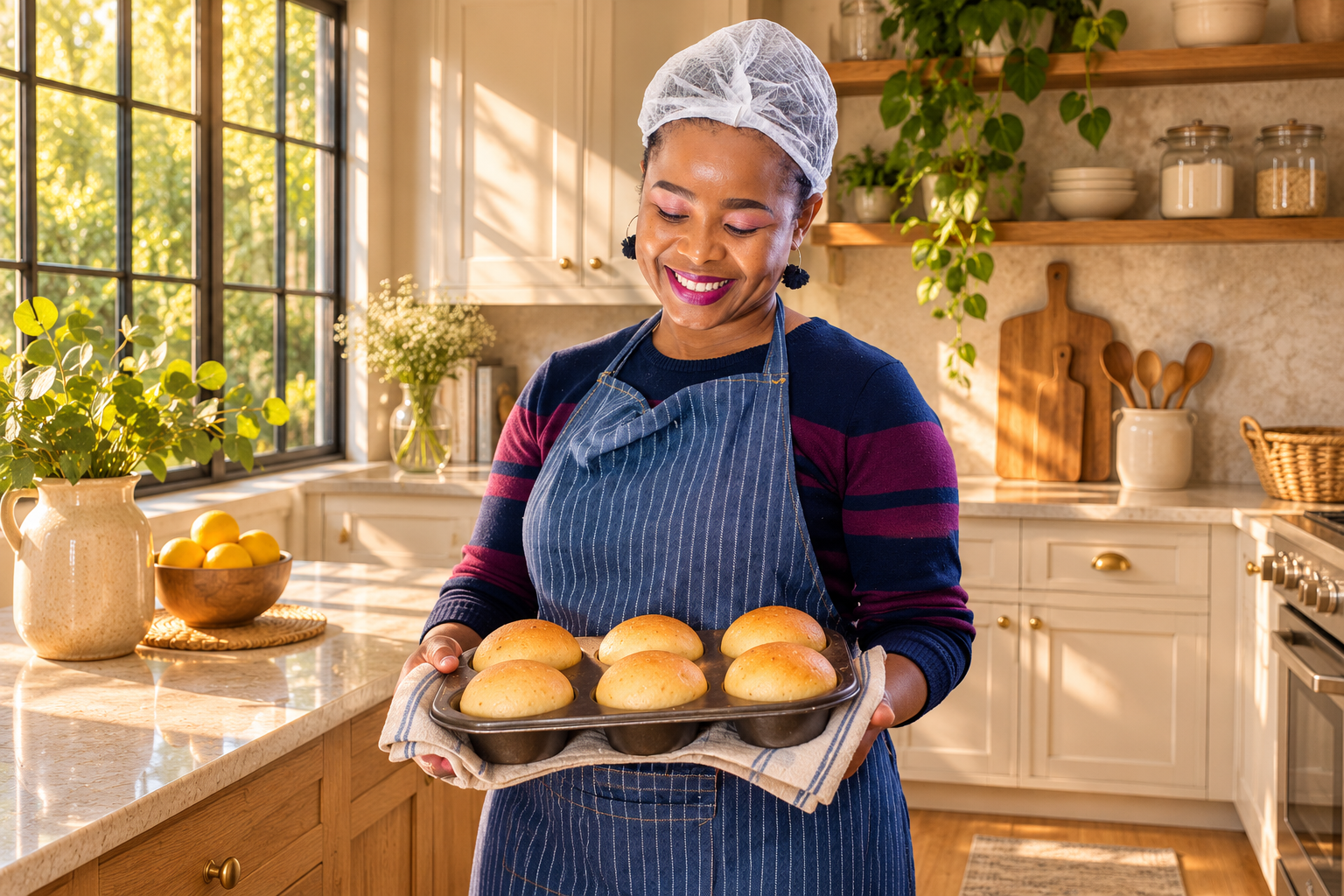
As artificial intelligence makes more of the work we do on screens easier, I’ve noticed some people rediscovering the pleasure of doing things with their hands. I think about the engineer who spends all week making software faster and then wants to spend Saturday learning to bake bread. I understand the appeal. You spend an hour working with dough and end up with something warm enough to tear open and share.
I think about the cook who tastes the stew and knows it needs a little more time. The baker who feels the dough and decides to stop adding flour. The plumber who fixes a leak and takes an extra minute to show you where to shut off the water if it happens again. That’s the touch skilled people bring to the table of life. And that extra minute might be the reason you call the plumber back.
That’s where I see a path to wealth. A good job earns a recommendation. Over time, those recommendations can turn into steady work, the means to buy better tools, and the confidence to hire someone. A plumber who starts out fixing leaks might become the person a property manager calls for every building they oversee. Someone who lays tile beautifully might go from finishing one bathroom to quoting entire renovations and running a crew. The skill earns the first payment. The business grows when customers trust you with the next job.
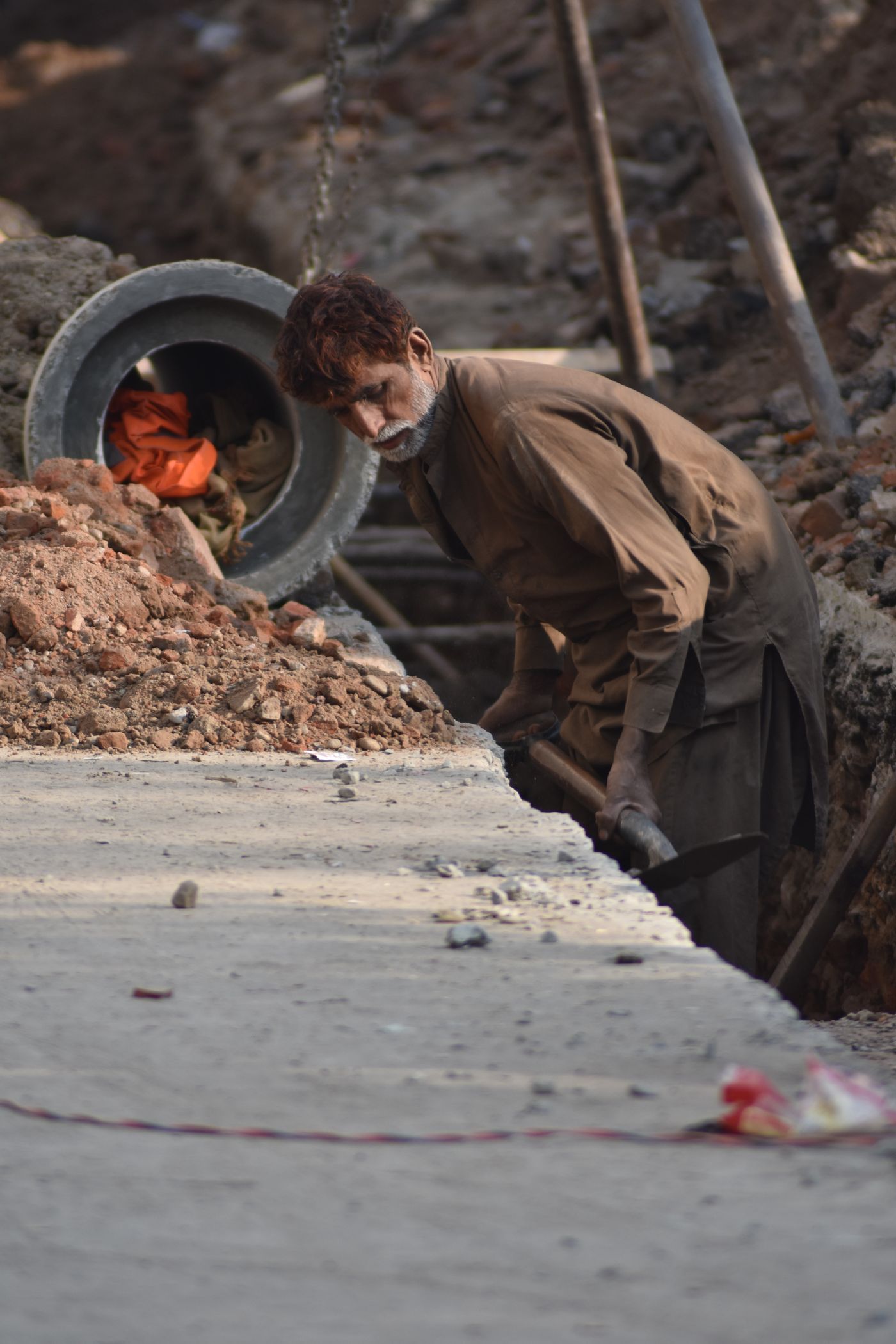
NVIDIA CEO Jensen Huang has predicted that carpenters, plumbers, and electricians will be among the next generation of millionaires. He was talking about the people needed to build the physical infrastructure behind AI. Before a data center can do anything, people have to build it, run power to it, and figure out how to keep it cool. [1]
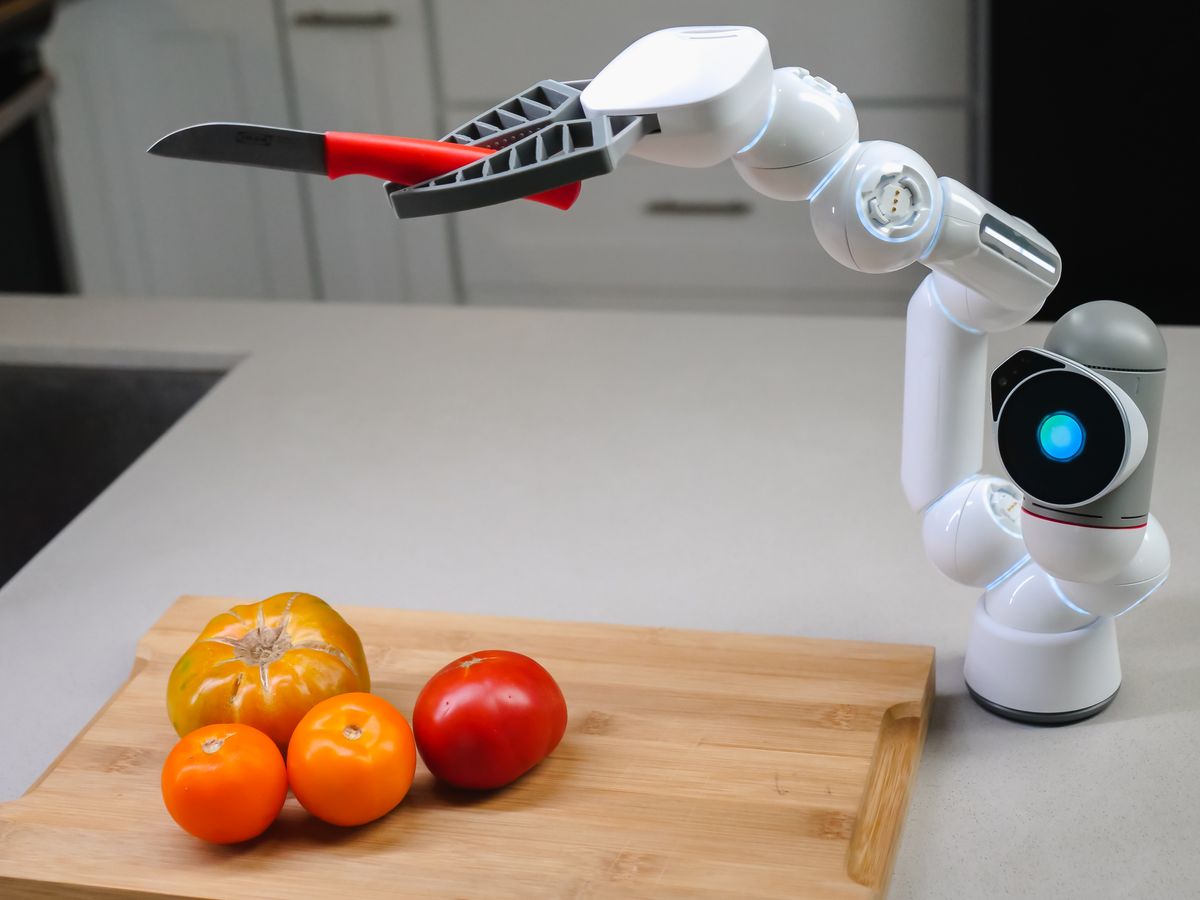
Technology that mimics human expertise can fascinate the senses. The first time I see a robot cook, I want to watch every move. After a while, I’m less interested in how it moved the pan and more interested in whether I want another bite.
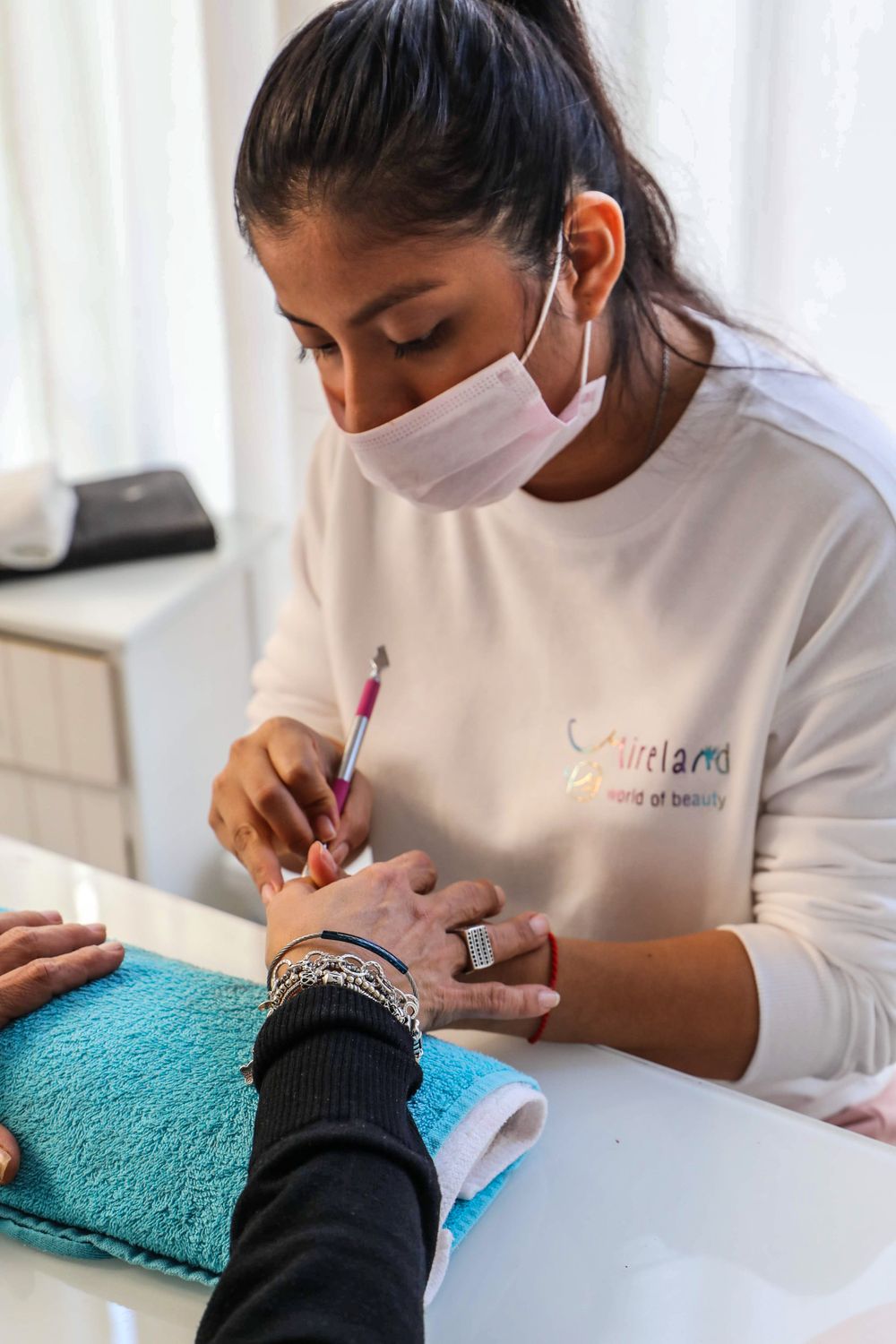
What makes someone come back? That’s the question I’m interested in beyond the data center. And it’s why I’m looking to Africa, starting with Kenya, where people are already showing how an everyday skill can become a business you own. On TheMoneyMind’s Mboka series, I came across a nail technician who finds clients on TikTok and makes house calls. I’d just been writing about how much of TikTok feels like ads and performance. Here was someone using it to show what he could do and get an appointment. The phone helped people find him. Then he packed his tools and went to work.
Another Mboka episode tells the story of an entrepreneur who started a smocha business. I think about all the skill you barely notice when you buy food from someone good at making it. They know how much to prepare, how to keep things moving when people are waiting, and how to make tomorrow’s order taste as good as the one that brought you back. You might spend five minutes there. It takes practice to make those five minutes feel easy.
What once looked like a disadvantage may be turning into a wealth engine. In places where formal jobs were hard to come by, many people built livelihoods around what they knew how to do: bake, build, repair, tailor, or cook. The skill was already there. A baker could make something people loved and still be known only to the people who lived nearby.
That’s where I see AI changing the economics. A baker can use it to draft a menu and answer common questions. A plumber can turn notes from a site visit into a quote. A builder can explain the stages of a renovation in language a customer understands. Those tasks take time, especially when the person doing the work is also the person answering every message. Make that part easier, and the owner has more room to take orders, train someone, or serve customers beyond the neighborhood.
That’s what I mean when I say Africa is leading the way. The Kenyan entrepreneurs in these stories already know how to turn a practical skill into something people pay for. Now they have more ways to make that work visible and grow a business around it. The opportunity is for more of the people doing the work to own what it becomes.
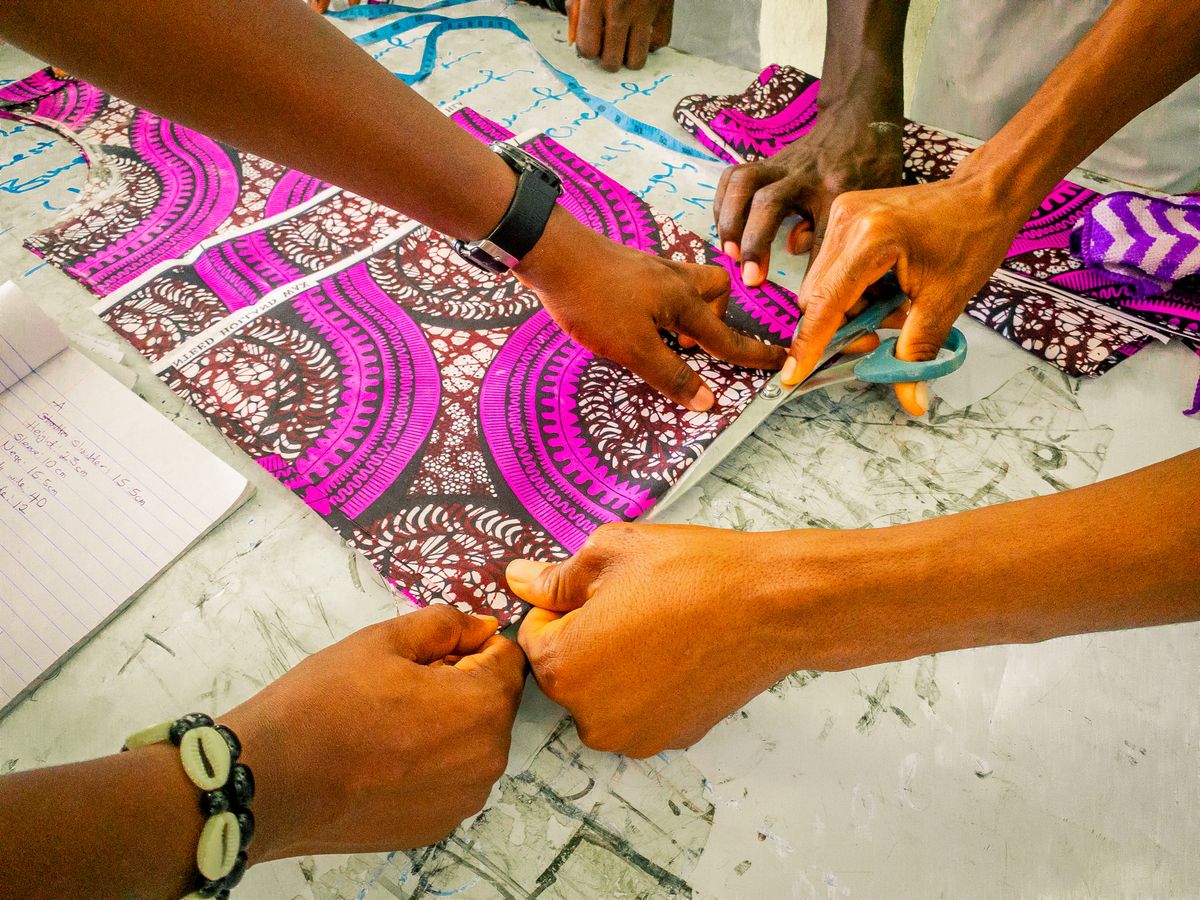
When people talk about a return to hands-on work, I wonder who ever left. The cooks, plumbers, builders, and beauty professionals were already there. What excites me about the examples coming out of Kenya is what happens when people can build on the skill they already have. A phone can help fill the calendar. AI can help draft a quote or keep track of orders. Repeat customers can make it possible to train an apprentice, buy equipment, or take on a bigger contract. And when we hear that a business is doing millions in sales, I want to know what the owner gets to keep after paying for materials, transport, and labor. That’s what tells us whether the work is building wealth for the person doing it.

I’m exploring baking myself. I’m designing recipes with my own twist, and I’m so excited to get into the kitchen and see how they turn out. There’s something lovely about making a thing you’ve only imagined and getting to taste it for the first time.
One of my favorite questions in S.H.O.U.L.D. is How will this allow me to participate in life? Today I’d ask it of a skill. What would I love to know how to do? Who could teach me? And what could I bring to the table that someone else would be glad to receive?